Sacred Valley
Cradle of the Incan Civilization
As tourists begin to wonder about agriculture and archaeology, Sacred Valley is a treasure trove. Including Sacred Inca Temples and other settlement edifices important to the development of the Inca civilization. Also known as the Urumbamba River Valley, the Sacred Valley is located outside of Cuzco, in the Peruvian Andes in the north-south part of Peru.
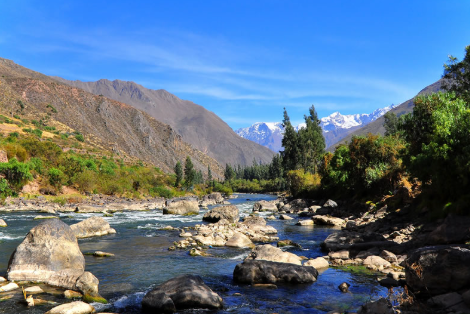
The Urumbamba river, which is an Amazon drainage system, stretches at around 60 km, throughout the Sacred Valley. The Sacred Valley begins from Pisac, which is the biggest fortress in the Inca civilization, to Ollantaytambo, which is the only surviving example of an Inca city. Ollantaytambo, unlike other cities, was not abandoned in the 15th century, but it has continued to be inhabited with Peruvians living in houses hundreds of years old and using the water systems. The Sacred Valley is composed of fertile soil, making the place agriculturally centered. Providing Cuzco with adequate amounts of fruit and vegetables, the Sacred Valley is essential for the agricultural developments in the Inca civilization, as well as for the cities now. The Valley is famous for its production for maize, grains, and potatoes, as well as the native trees and floras that protect ecosystems.
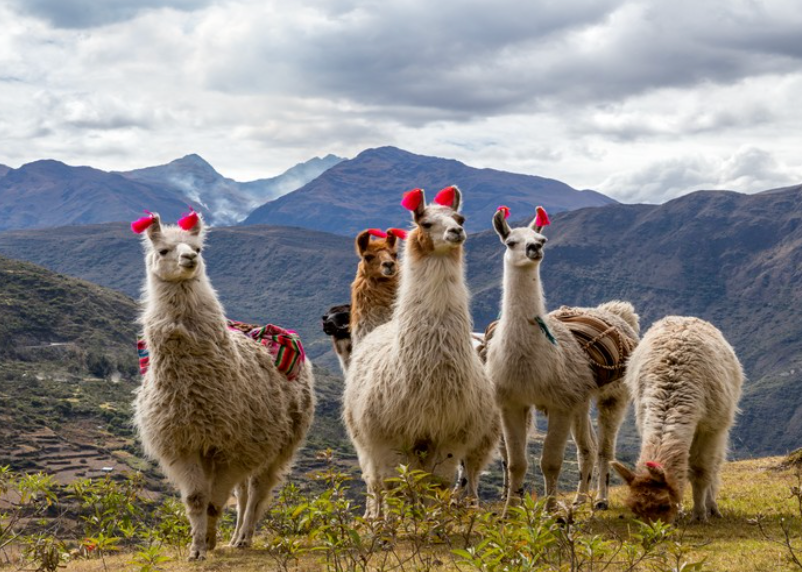
Alpacas and Llamas roam the valleys and ruins while some exotic birds are seen in high mountain views. Perfect for people who love hiking and photography, the Sacred Valley is lush and green in the summer, and bright and clear in the winter. Containing a lot of tourist attraction sites, the Sacred Valley is definitely a must go to learn about and experience the Inca culture and living.
Ollantaytambo
Urumbamba river (top), Maize farm (bottom)
Llamas