


Peru
Firme Y Feliz Por La Unión


Welcome to Peru

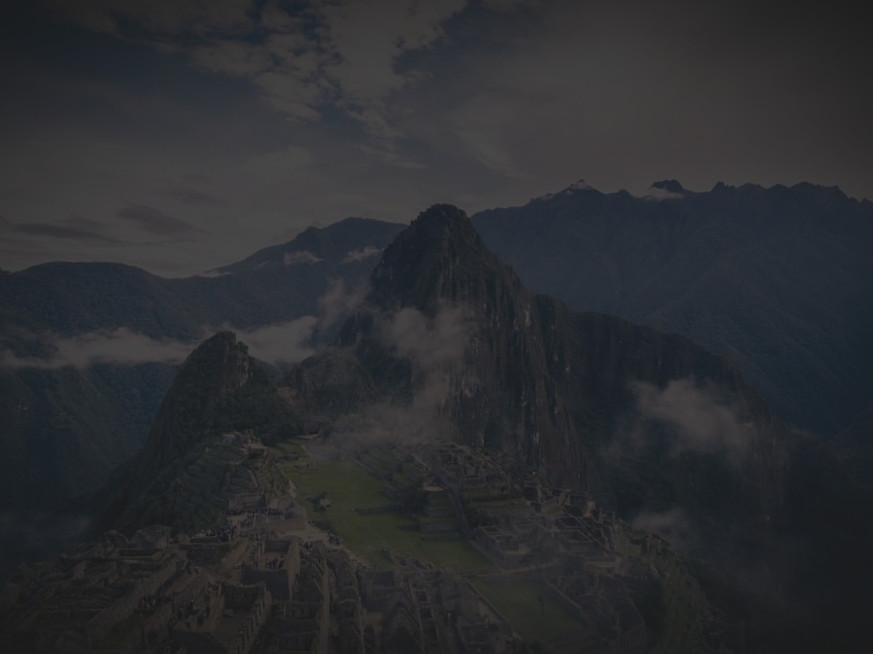
Peru INtro
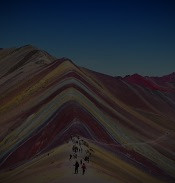
With a population of 32,768,614, Peru has a variety of cultures and traditions. Family and sharing are valuable for Peruvians, often dwelling in large units or cities. Peru locals are known for being friendly and welcoming to tourists. Peruvians take pride in their history and culture, celebrating their heritage, whether Spanish or Indigenous.

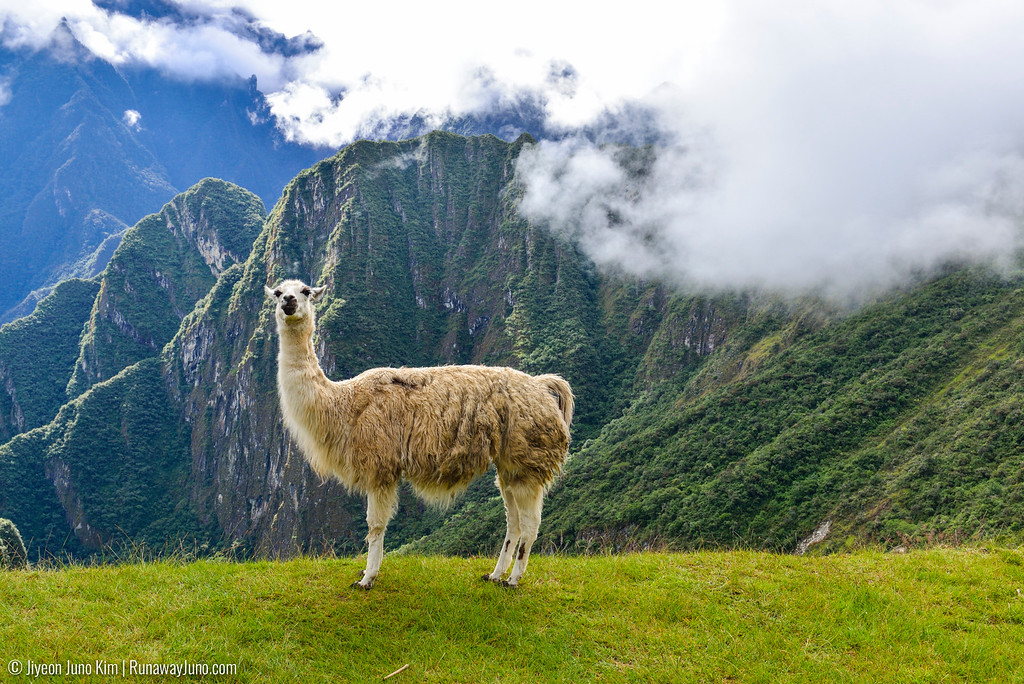
Home to more than 25,000 plant species and 460 known mammal species, Peru is a country with countless wildlifes that are never seen before, like the pink river dolphin or the Andean Mountain Cat, or the infamous llamas. Peru is inhabited with the 2000 species of fish, providing a great economy for fish. Lima is also filled with mining treasures, important mineral resources are found across the country. As the world’s second largest producer of silver and copper, Peru's metals and mineral exports make up 55% of the country’s total exports.
Welcome to Peru, a west South-America country that borders the South Pacific Ocean, and home to some of the most famous and exotic animals. Peru's climate is not only unique, but diverse, consisting of 11 ecological regions and 84 of the world's 117 different types of life zone.


This website will dive deep into Peru. I hope you enjoy :P
History & Demographics
Peru’s complicated and interesting history started as early as 12,000 years ago where different cultures started cultivating plants and the sea level was 100 meters lower than it is today. Located 200 km north from nowadays Lima, the City of Caral was founded by Peruvians at around 3000 BCE, which is the oldest center of civilization in the Americas. Starting from the 900 BCE, cultures like the Chavin culture, Nazca culture, and the Moche culture settled in highlands and deserts around Peru. They were the first to influence a large area with unique religion and traditions. The Chimu civilization started in the 1000 BCE and they were first to conquer a region more than 1500 km along the northern coast of Peru.

However, their civilization was defeated by the newly risen Inca civilization at around 1470. The Incan civilization was founded by Sapa Inca Manco Capac in around 1200, who was believed to be a son of the Sun God. He led his brother and sisters to the fertile soils of Cuzco, where they started the root of the great Inca civilization. In three centuries, the Inca civilization grew and developed into modern day Ecuador and Chile. Their official language was Quechua and the size of the empire was about 2 million square km. With nearly 12 million inhabitants, the Inca civilization had priests to organize and look after the economic and spiritual interests of the civilization, ensuring loyalty and halting rebellion.
However, when Spanish explorer Francisco Pizarro and his conquistadors arrived in 1532, the Inca civilization was in a civil war between two Inca brothers Huascar and Atahualpa to take the leadership position. With this split between the Incan civilization, Francisco and his Spaniards took over the empire with ease in under a year. After the quick fall of a longtime successful culture, the Spaniards quickly established a new city in 1535 called Lima, which became the capital of the Spanish viceroyalty of South America. The whole region of Peru was a gold mine for the Spanish conquerors, making the mining and encomienda systems foundations of the economy. That area was in Spanish control until 1820, when Venezuelan leader Simon Bolivar and Argentine general Jose de San Martin reclaimed Peru’s independence. Jose de San Martin first liberated the coast, declaring Peru independent in 1821. Simon Bolivar then completed the liberation by winning against the royal forces for the last time in 1826. At last, the Spanish recognized Peru as a country in 1879.

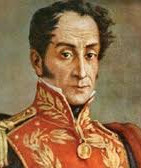
Francisco Pizarro
Simon Bolivar
However, the coming of Peru wasn’t the start of a wonderful beginning, but rather an ending of a span of rebellion and unease. Peru was soon met with the War of the Pacific (1879-1883), where Chile defeated Peru and Bolivia, forcing Peru to give up the region of Tarapca. In the late 19th century, the Peruvian government was military or autocratic, while entering the 20th century with a democratic regime, which ended in 1919 with Augusto Leguia in power. Under his power, Peru became heavily dependent on exploiting the United States country’s minerals and oil deposits. Many people opposed Leguia's presidency, which ended in his overthrow in 1930.

However, the coming of Peru wasn’t the start of a wonderful beginning, but rather an ending of a span of rebellion and unease. Peru was soon met with the War of the Pacific (1879-1883), where Chile defeated Peru and Bolivia, forcing Peru to give up the region of Tarapca. In the late 19th century, the Peruvian government was military or autocratic, while entering the 20th century with a democratic regime, which ended in 1919 with Augusto Leguia in power. Under his power, Peru became heavily dependent on exploiting the United States country’s minerals and oil deposits. Many people opposed Leguia's presidency, which ended in his overthrow in 1930.
Starting from 1930, Peru experienced scores of subsequent military coups, resulting in an immense economic crisis and social protests. By 1990, there was a decline in GDP of 7%. When Alberto Fujimori took office, he introduced a new economic austerity program, which encouraged foreign investments while privatizing several industries. He silenced civilian oppositions by using force and instituting censorship online. By the early 2000, he forced a favorable ruling in his favor. At the end, he was sentenced to 25 years in prison for corruption and human rights abuses.
Starting from 1930, Peru experienced scores of subsequent military coups, resulting in an immense economic crisis and social protests. By 1990, there was a decline in GDP of 7%. When Alberto Fujimori took office, he introduced a new economic austerity program, which encouraged foreign investments while privatizing several industries. He silenced civilian oppositions by using force and instituting censorship online. By the early 2000, he forced a favorable ruling in his favor. At the end, he was sentenced to 25 years in prison for corruption and human rights abuses.
Starting from 1930, Peru experienced scores of subsequent military coups, resulting in an immense economic crisis and social protests. By 1990, there was a decline in GDP of 7%. When Alberto Fujimori took office, he introduced a new economic austerity program, which encouraged foreign investments while privatizing several industries. He silenced civilian oppositions by using force and instituting censorship online. By the early 2000, he forced a favorable ruling in his favor. At the end, he was sentenced to 25 years in prison for corruption and human rights abuses.
Starting from 1930, Peru experienced scores of subsequent military coups, resulting in an immense economic crisis and social protests. By 1990, there was a decline in GDP of 7%. When Alberto Fujimori took office, he introduced a new economic austerity program, which encouraged foreign investments while privatizing several industries. He silenced civilian oppositions by using force and instituting censorship online. By the early 2000, he forced a favorable ruling in his favor. At the end, he was sentenced to 25 years in prison for corruption and human rights abuses.
Starting from 1930, Peru experienced scores of subsequent military coups, resulting in an immense economic crisis and social protests. By 1990, there was a decline in GDP of 7%. When Alberto Fujimori took office, he introduced a new economic austerity program, which encouraged foreign investments while privatizing several industries. He silenced civilian oppositions by using force and instituting censorship online. By the early 2000, he forced a favorable ruling in his favor. At the end, he was sentenced to 25 years in prison for corruption and human rights abuses.

Alejandro Toledo, who is the first person of Quechua descent to be elected as president, took office. In his presidency, the economy grew better, but was tempered by protests and political turmoil. When Alan Garcia Perez took office, the economic conditions continued to improve. In 2008, the GDP was growing at an annual rate of 8 percent. In 2021, President Dina Boluarte was sworn in as president, being the first woman to lead Peru.

Residents now are mainly Mestizo, who are of mixed Indigenous and White descent. Although most people speak Spanish or Quechua, some residents also know minor native Amazonian languages. With more than 18 million people working, the GDP grew 3.3% in 2024 and 3.1% in 2025. Through political turmoils of protests and economical crisis, and dictatorships that suspended the constitution and as well as the Congress, Peruvians foster hope, focusing on education, poverty reduction, and spiritual revival. Organizations like “New Hope Peru” have transformed lives in vulnerable communities, providing technology to children and medical support in inaccessible areas.


Gallery




Learn more?